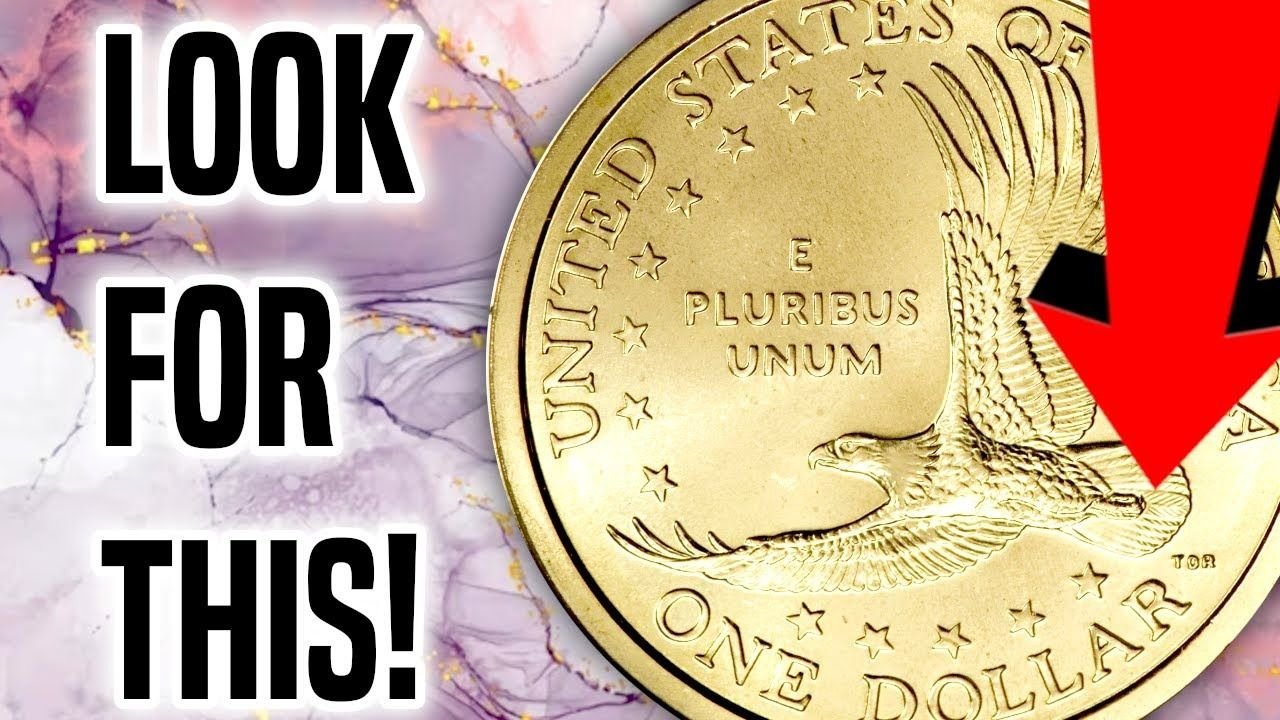
The Sacagawea dollar coin holds a unique place in modern U.S. coinage. Introduced in 2000, it was designed to bring renewed interest to the one-dollar coin while honoring Sacagawea, the Shoshone woman who played a crucial role in American exploration history. While many people assume these coins are worth only face value, some Sacagawea dollars are surprisingly valuable. Understanding what makes one coin ordinary and another highly collectible can help you determine whether the coin in your possession is worth far more than a dollar.
Origins of the Sacagawea Dollar Coin
The Sacagawea dollar was launched as a replacement for the Susan B. Anthony dollar, which had failed to gain public acceptance. The U.S. Mint aimed to create a coin that was both visually distinctive and culturally meaningful. Its golden color immediately set it apart from other circulating coins, even though it contains no gold.

Despite high expectations, the Sacagawea dollar never achieved widespread daily use. Most Americans continued to prefer paper currency for one-dollar transactions, resulting in limited circulation and large quantities stored by banks and collectors. This limited use, however, helped preserve many coins in excellent condition, which later became important for collectors.
Design and Symbolism
Obverse Design
The obverse features Sacagawea carrying her infant son, Jean Baptiste Charbonneau. Designed by artist Glenna Goodacre, the image emphasizes strength, motherhood, and cultural heritage. It remains one of the most admired modern U.S. coin designs.
Reverse Design Evolution
Early issues displayed a soaring eagle on the reverse, symbolizing freedom and exploration. In 2009, the Native American $1 Coin Program introduced annual reverse designs honoring Native American contributions to U.S. history. These rotating designs add variety and long-term collectible appeal to the series.
Circulation History and Public Response
Although millions of Sacagawea dollars were minted, most never circulated heavily. Many were distributed through government programs, vending machines, or saved by collectors. Because of this, finding circulated examples is less common than expected, but uncirculated coins are widely available.
This unusual circulation pattern has kept values stable for common coins while allowing rare varieties and pristine examples to stand out in the market.
Common Sacagawea Dollar Values
Most Sacagawea dollars encountered today are worth face value. Coins that show wear, scratches, or discoloration generally do not command premiums. However, condition matters greatly.
Uncirculated and Proof Coins
Uncirculated coins with strong luster and no wear can be worth slightly more than one dollar, especially if graded MS65 or higher. Proof versions, struck specifically for collectors, usually sell for a modest premium depending on condition and year.
Rare Varieties and High-Value Errors
Some Sacagawea dollars are exceptionally valuable due to rare varieties or minting errors.
The 2000 Cheerios Dollar
The most famous variety is the 2000 Cheerios dollar. These coins were placed in cereal boxes as part of a promotion and feature a prototype reverse with enhanced detail on the eagle’s tail feathers. Authentic examples can be worth thousands of dollars, especially in high grades.
Mule Errors and Other Mistakes
Another legendary rarity is the mule error, where a Sacagawea obverse was mistakenly paired with a state quarter reverse. These coins are extremely rare and have sold for tens of thousands of dollars. Other errors such as off-center strikes, doubled dies, or missing details can also add significant value.
Why Condition and Grading Matter
Coin value is heavily influenced by condition. Sacagawea dollars are graded on a scale from Poor to Mint State 70. Even small flaws can drastically affect price. Coins certified by professional grading services are more trusted by buyers and often sell for higher prices.
Proof coins, known for their mirror-like surfaces and sharp details, are especially popular among collectors who value visual quality as much as rarity.
Collecting Approaches and Strategies
Sacagawea dollars offer flexibility for collectors at every level. Some build complete date sets, while others focus on the Native American $1 Coin Program’s themed reverses. Error collectors pursue rare mistakes, and long-term investors seek high-grade or historically significant varieties.
Because entry costs are relatively low compared to older U.S. coins, Sacagawea dollars are often considered an ideal starting point for modern numismatics.
Market Trends and Investment Outlook
The overall market for Sacagawea dollars has remained steady. Common coins are unlikely to see major appreciation, but rare varieties continue to rise as awareness grows. The Cheerios dollar and major error coins have proven especially strong performers at auction.
While these coins may not rival precious-metal issues in investment potential, they occupy a unique niche that blends affordability, history, and long-term collector interest.
How to Identify a Potentially Valuable Coin
Start by examining condition and surface quality. Look for sharp details, minimal marks, and strong luster. Check dates, mint marks, and reverse designs carefully. Compare unusual features with trusted reference images, especially if you suspect a rare variety.
If a coin appears unusual or exceptionally well preserved, professional grading can help confirm authenticity and value.
Final Thoughts
The Sacagawea dollar coin is far more than a forgotten modern issue. It represents cultural recognition, artistic innovation, and hidden collecting opportunities. While most examples are worth only face value, select varieties and high-grade coins can be surprisingly valuable. Taking the time to understand what makes these coins special can transform an ordinary dollar into a meaningful piece of American numismatic history.