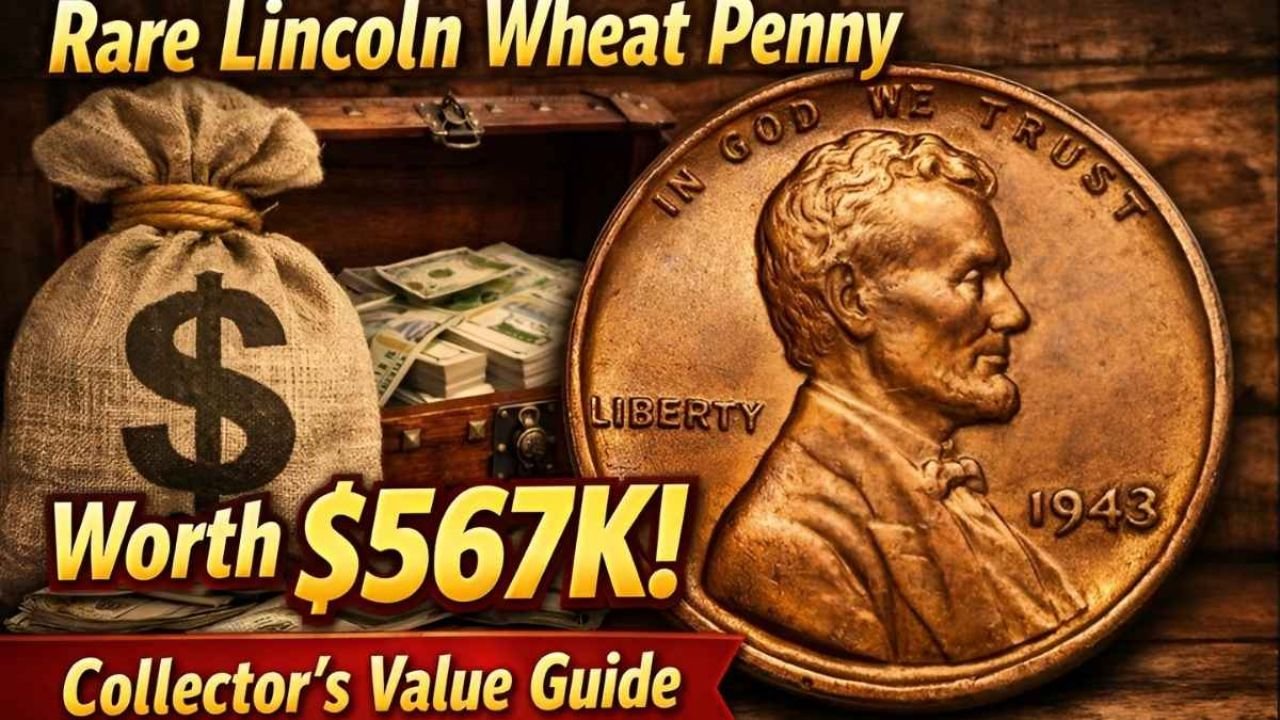
The Lincoln Wheat penny is one of the most recognizable and widely collected coins in American history. First issued in 1909 to commemorate the 100th anniversary of Abraham Lincoln’s birth, it marked a turning point in U.S. coinage by featuring a real historical figure rather than an abstract symbol. Designed by Victor David Brenner, the coin displays Lincoln’s profile on the obverse and two wheat stalks on the reverse, symbolizing prosperity and national strength. Though it once circulated as everyday currency, certain Wheat pennies have evolved into elite collectibles worth astonishing sums.
Why Some Lincoln Wheat Pennies Are Extremely Valuable
Not all Wheat pennies are rare, but a small number possess qualities that place them among the most valuable coins in the world. Rarity is the most important factor, often driven by low mintages or unexpected minting errors. Condition is equally critical, as coins preserved in near-perfect or uncirculated states command dramatically higher prices. Historical significance and sustained collector demand further elevate value. When all these elements align, even a humble one-cent coin can become a six-figure or seven-figure asset.
The Lincoln Wheat Penny Worth $567,000

Among the most remarkable examples is a Lincoln Wheat penny that sold for an astonishing $567,000. This coin represents the perfect combination of scarcity, pristine condition, and historical importance. Its value is not simply a reflection of age, but of exceptional preservation and rarity within the series. For collectors, owning a Wheat penny of this caliber is comparable to holding a museum-quality artifact, offering both prestige and long-term investment appeal.
The 1943 Copper Lincoln Wheat Penny
A Wartime Minting Anomaly
The 1943 Lincoln Wheat penny is one of the most famous error coins in American numismatics. During World War II, the U.S. Mint switched from copper to zinc-coated steel to conserve copper for military use. However, a small number of pennies were accidentally struck on leftover copper planchets, creating an incredibly rare variety.
Why Collectors Compete for It
Only a handful of authentic 1943 copper pennies are known to exist. Their combination of historical context and extreme rarity makes them highly desirable. Well-preserved examples have sold for hundreds of thousands of dollars, cementing their reputation as cornerstone pieces in elite collections.
The 1909-S VDB Lincoln Cent
The Birth of an Iconic Design
The 1909-S VDB Lincoln cent is legendary among collectors. As the first year of the Lincoln penny, it featured designer Victor David Brenner’s initials prominently on the reverse. Public backlash over the visibility of the initials led to their removal after a limited production run.
Lasting Significance and Value
Minted in small numbers at the San Francisco Mint, this coin remains one of the most sought-after Wheat pennies. Its value lies not only in scarcity but also in its role as the origin of a design that has endured for over a century.
The 1922 No D Wheat Penny
A Missing Mint Mark Mystery
All Lincoln cents minted in 1922 were produced in Denver and should have carried a “D” mint mark. Due to worn dies and minting inconsistencies, some coins were struck without the mint mark, creating the rare 1922 No D variety.
Collector Appeal
This coin fascinates collectors because it was never meant to exist. Depending on condition, examples can sell for thousands of dollars. Its accidental creation adds intrigue and reinforces the idea that minting errors often produce the most valuable coins.
The 1955 Double Die Wheat Penny
A Striking Visual Error
The 1955 double die Lincoln Wheat penny is instantly recognizable. A misalignment during the die creation process caused dramatic doubling in the date and inscriptions, especially the word “Liberty.” The error is so bold that it can often be spotted without magnification.
Market Value and Demand
Because of its clear visual impact and relatively limited supply, this coin remains a favorite among collectors. High-grade examples regularly sell for tens of thousands of dollars, making it one of the most popular error coins in U.S. history.
The Importance of Coin Condition and Professional Grading
Condition plays a defining role in determining a Wheat penny’s value. Coins are graded on a standardized scale, with mint-state examples commanding the highest premiums. Professional grading services authenticate coins and assign consistent grades, providing confidence to buyers and sellers alike. For rare Wheat pennies, grading is essential, as even small differences in condition can translate into substantial price variations.
Investment Potential of Rare Wheat Pennies
In 2026, rare Lincoln Wheat pennies are increasingly viewed as alternative investments. Their limited supply, historical relevance, and global collector base contribute to long-term demand. Unlike traditional financial assets, rare coins offer tangible ownership and intrinsic value. Many investors see high-end Wheat pennies as a hedge against inflation and market volatility, combining financial potential with cultural significance.
Stories That Add Depth and Meaning
Every rare Wheat penny carries a story that enhances its appeal. The 1943 copper penny reflects wartime resource constraints, while the 1909-S VDB cent highlights artistic controversy. The 1922 No D penny showcases how small minting variations can create lasting value, and the 1955 double die penny demonstrates how errors can become iconic. These narratives deepen the emotional connection collectors feel toward their coins.
Challenges in Collecting Rare Lincoln Wheat Pennies
Despite their appeal, rare Wheat pennies present challenges. Counterfeiting has become increasingly sophisticated, making expert authentication essential. Market prices can fluctuate, and improper storage can permanently damage a coin’s surface. Successful collectors rely on education, professional grading, and careful preservation to protect their investments.
The Role of Technology in Modern Coin Collecting
Technology has transformed the numismatic landscape. Online auctions provide global access to rare coins, while digital databases offer detailed pricing histories and high-resolution imagery. Emerging authentication technologies continue to improve transparency and trust. In 2026, technology is helping attract a new generation of collectors while supporting experienced investors.
Final Thoughts
The rare Lincoln Wheat penny worth $567,000 proves that even the smallest denomination can hold extraordinary value. From the legendary 1943 copper cent to iconic error coins and first-year issues, Wheat pennies remain among the most compelling collectibles in American numismatics. Their blend of history, rarity, and investment potential ensures that these coins will continue to captivate collectors for generations to come.