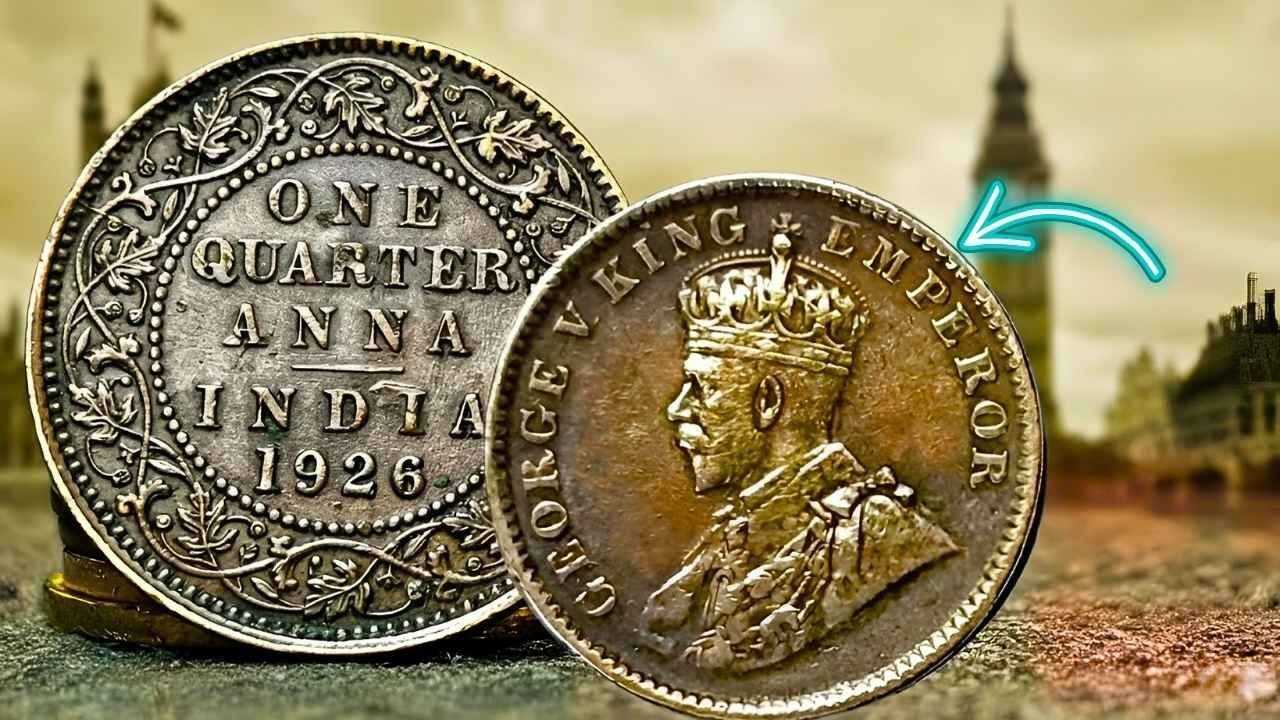
The world of high-end coin collecting is filled with remarkable stories where history, rarity, and precision craftsmanship converge. Among the most compelling is a rare British Indian coin that has reached an extraordinary valuation of $220,000. Once a small and unassuming piece of everyday currency, this coin has evolved into a global numismatic treasure. Its rise in value reflects how historical relevance, limited survival, and exceptional condition can elevate a modest coin into an elite collectible.
This complete guide explores the origins of British Indian coinage, the factors behind this coin’s remarkable valuation, and what collectors should know when evaluating similar pieces.
The Historical Context of British Indian Coinage

British Indian coins were minted during the colonial era, spanning the 18th to mid-20th centuries, when India was under British administration. These coins were produced across multiple mints and denominations, serving as the backbone of commerce throughout the subcontinent.
Designs often blended imperial authority with regional symbolism. Portraits of British monarchs such as Queen Victoria, King Edward VII, and King George V appeared on many issues, while inscriptions and denominations reflected India’s diverse monetary system. These coins were not just instruments of trade but tools of governance, reinforcing imperial presence through daily use.
The rare coin valued at $220,000 originates from this period, representing a specific moment in colonial monetary history that has become increasingly difficult to find in preserved form.
What Makes This Coin Worth $220,000

Coin value is shaped by a combination of scarcity, demand, condition, and historical importance. This particular British Indian coin stands out because it excels in all four areas.
First, its rarity is undeniable. It was struck in very limited numbers, either due to a short production run, experimental issue, or low-demand denomination at the time. Over decades of circulation, melting, and loss, very few examples survived.
Second, collector demand for elite British Indian coins has risen sharply. Global collectors increasingly recognize these coins as underappreciated historical assets with strong long-term potential.

Finally, the coin’s condition is exceptional. Most coins of this type show heavy wear, but this example retains sharp details, original surfaces, and strong visual appeal. Together, these qualities justify its six-figure valuation.
The Critical Role of Professional Grading
Professional grading is essential in the high-value coin market. Reputable grading services evaluate coins based on wear, strike quality, luster, surface preservation, and overall eye appeal. Each coin is assigned a grade that directly influences its market price.
The $220,000 British Indian coin achieved a top-tier grade, confirming its authenticity and elite preservation. Certification reassures buyers, protects sellers, and creates transparency in competitive auction environments. Without professional grading, coins of this caliber would struggle to achieve their true market value.
Historical Significance Beyond Monetary Value
While its price captures attention, the coin’s historical meaning is equally compelling. It represents a formative era when currency played a central role in colonial administration and economic control. Each detail, from its inscriptions to its metal composition, reflects policies, trade systems, and power structures of the time.
For historians and advanced collectors, owning such a coin is akin to owning a primary historical artifact. It offers a tangible link to the economic realities of colonial India, preserved in metal for future generations.
Auction Houses and the Path to Record Sales
Prestigious auction houses play a pivotal role in discovering and valuing rare coins. When the $220,000 British Indian coin entered the auction circuit, it attracted international attention. Serious collectors competed aggressively, recognizing the coin’s rarity and long-term significance.
Such auctions do more than establish price. They validate importance, document provenance, and elevate coins into the upper tier of global collectibles. Competitive bidding environments often push prices well beyond pre-sale estimates, especially when elite coins appear after years of absence from the market.
Why Small Coins Can Command Big Prices
One of the most surprising aspects of this story is the coin’s small size. Small-denomination coins are often overlooked, yet they can be among the rarest. Their size made them easier to lose, damage, or discard, drastically reducing survival rates over time.
This scarcity, combined with historical relevance, creates exceptional value. The $220,000 valuation proves that denomination does not determine importance. In numismatics, rarity and preservation matter far more than size or face value.
Lessons for Serious Collectors
This remarkable coin offers several key lessons. Knowledge is the foundation of success. Understanding mint history, denominations, and production anomalies helps collectors recognize undervalued pieces.
Preservation is equally critical. Coins stored properly, protected from moisture and handling, retain both beauty and value. Even a rare coin can lose significant worth if mishandled.
Finally, collectors should remember that rarity often hides in unexpected places. Not all valuable coins are gold or large. Sometimes, the smallest pieces carry the greatest stories.
The Growing Market for British Indian Coins
Interest in British Indian numismatics has expanded steadily among global collectors. These coins appeal not only for their scarcity but also for their cultural and historical depth. While many issues remain affordable, rare varieties and high-grade examples continue to set new records.
The $220,000 coin represents the pinnacle of this market, but it also signals broader strength. As awareness grows and supply remains fixed, top-tier British Indian coins are likely to remain in strong demand.
How to Identify Valuable British Indian Coins
Collectors examining their holdings should focus on key indicators. Look for uncommon dates, low-mintage issues, unusual metals, or rare mint marks. Errors and special strikes can dramatically increase value.
Condition is paramount. Coins with sharp details and minimal wear are far more desirable. Consulting specialized reference materials and seeking professional evaluation are essential steps before selling or insuring any potentially valuable coin.
The Future of Elite Coin Collecting
Coin collecting continues to evolve in a digital, global marketplace. Online auctions, detailed databases, and transparent grading have made elite coins more accessible than ever. At the same time, truly rare pieces remain scarce, ensuring continued competition at the highest levels.
The story of the $220,000 British Indian coin underscores the enduring appeal of numismatics. It shows that history, artistry, and investment potential can coexist in a single object.
Conclusion
The rare British Indian coin valued at $220,000 is far more than a monetary artifact. It is a symbol of history, scarcity, and the enduring passion of collectors worldwide. From colonial-era circulation to record-setting auction, its journey reflects the extraordinary potential hidden within even the smallest coins.
For collectors and investors alike, it serves as a powerful reminder: true value lies not in size or denomination, but in rarity, preservation, and the stories coins carry across generations.