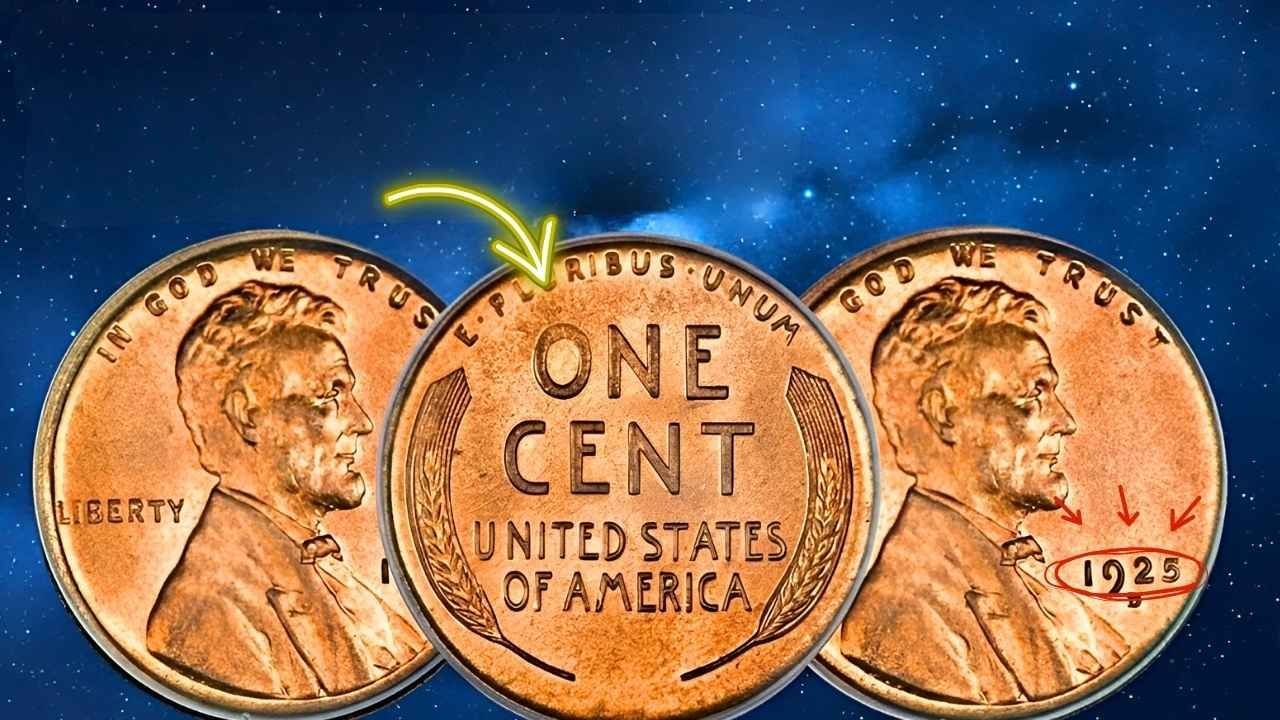
Coin collecting blends history, design, and financial opportunity in a way few hobbies can match. Among all American coins, the Lincoln Wheat Penny stands as one of the most iconic and widely collected. First issued in 1909, this humble one-cent piece circulated through some of the most transformative decades in U.S. history. While most Wheat Pennies are worth only a small premium over face value, a select few have become legendary. In 2026, one rare Lincoln Wheat Penny reached an astonishing valuation of $120,000, proving that even the smallest coin can carry extraordinary worth.
This guide explores the origins of the Wheat Penny, why certain examples are so valuable, and how collectors can identify potential rarities.
The Origins of the Lincoln Wheat Penny

The Lincoln Wheat Penny was introduced in 1909 to commemorate the 100th anniversary of Abraham Lincoln’s birth. It replaced the Indian Head Cent and marked a historic shift in American coinage. Designed by Victor David Brenner, it was the first U.S. circulating coin to feature a real historical figure rather than a symbolic representation.
The obverse shows Lincoln’s profile, dignified and timeless, while the reverse displays two wheat stalks framing the denomination. These wheat ears symbolized agricultural prosperity and national growth, giving the coin its enduring nickname. The design remained unchanged until 1958, when it was replaced by the Lincoln Memorial reverse. Over nearly five decades, billions were minted, but only a small number possess true rarity.
Why Most Wheat Pennies Are Common
Despite their age, most Lincoln Wheat Pennies are readily available. High production numbers and decades of circulation mean that the majority are worn and plentiful. As a result, common dates typically sell for modest amounts.
However, within this vast population exist coins that stand apart due to minting errors, low mintage, unusual materials, or exceptional preservation. These factors elevate certain Wheat Pennies from everyday collectibles to six-figure treasures.
The Famous 1943 Copper Wheat Penny
One of the most celebrated rarities in American numismatics is the 1943 copper Lincoln Wheat Penny. During World War II, copper was needed for military supplies, prompting the U.S. Mint to produce pennies from zinc-coated steel. In the transition, a small number of leftover copper planchets from 1942 were mistakenly struck with 1943 dies.
The result was a tiny number of copper pennies dated 1943, coins that were never intended to exist. These accidental creations are among the most valuable U.S. cents ever discovered. In 2026, one authenticated example, preserved in exceptional condition, was valued at approximately $120,000. Its worth reflects both extreme rarity and intense collector demand.
The Importance of Condition and Grading
Rarity alone does not determine a coin’s value. Condition plays an equally important role. Professional grading services evaluate coins based on surface quality, strike sharpness, wear, and overall eye appeal. Coins are assigned grades that help establish market value and authenticity.
The $120,000 Wheat Penny achieved its valuation not only because it was rare, but because it survived in remarkable condition. Sharp details, clean surfaces, and original luster dramatically increase a coin’s desirability. For high-value coins, professional grading is essential, providing buyers with confidence and long-term value protection.
Auction Houses and Competitive Bidding
When rare Wheat Pennies appear at major auctions, they often spark intense competition. Global collectors, investors, and institutions monitor these sales closely. Prestigious auction houses provide a transparent platform where demand can push prices well beyond expectations.
The Lincoln Wheat Penny valued at $120,000 was sold in such an environment, with determined bidders driving the price upward. These moments highlight how rare coins function not only as historical artifacts but also as alternative investment assets.
Historical Significance Beyond Price
The Lincoln Wheat Penny carries meaning far beyond its market value. It circulated through eras of profound change, including two world wars, the Great Depression, and the rise of modern America. Featuring Abraham Lincoln, the coin symbolizes unity, leadership, and resilience.
For many collectors, the emotional connection to history is just as important as financial return. Holding a rare Wheat Penny is like holding a tangible piece of the past, preserved in metal.
How to Identify Valuable Wheat Pennies
Collectors examining their own coins should focus on several key factors. Certain dates and mintmarks are well known for their scarcity, including 1909-S VDB, 1914-D, and 1922 no-D. Error coins, such as doubled dies, off-metal strikes, or wrong planchets, are also highly desirable.
Condition matters greatly. Even a common-date Wheat Penny can carry meaningful value if it remains uncirculated. Proper lighting, magnification, and reference guides are essential tools. Any potentially rare find should be authenticated by a reputable grading service before sale or long-term storage.
Market Trends and Long-Term Value
The market for rare Lincoln Wheat Pennies remains strong and resilient. While short-term price fluctuations occur, truly scarce coins tend to retain or increase their value over time. Their appeal spans generations, combining nostalgia, history, and investment potential.
As fewer high-grade examples remain available, demand continues to rise. This dynamic supports long-term value for elite Wheat Pennies, including those reaching six-figure valuations.
Lessons for Collectors
The story of the $120,000 Wheat Penny offers clear lessons. Knowledge is essential. Understanding mint history, varieties, and grading standards can turn curiosity into opportunity. Preservation is equally important, as proper storage protects both condition and value.
Patience also plays a key role. Rare finds are often the result of consistent searching and long-term dedication. Above all, passion drives the hobby. Successful collectors value history and craftsmanship as much as financial reward.
The Enduring Legacy of the Wheat Penny
In an increasingly digital world, coin collecting continues to thrive. Online platforms, transparent grading, and global access have expanded interest in numismatics. Yet iconic coins like the Lincoln Wheat Penny remain at the heart of the hobby.
The $120,000 rarity stands as a reminder that extraordinary value can emerge from ordinary places. It inspires new collectors and reinforces the timeless appeal of American coinage.
Conclusion
The Lincoln Wheat Penny valued at $120,000 in 2026 represents the pinnacle of modern coin collecting. It embodies rarity, historical significance, and exceptional preservation. From its introduction in 1909 to its six-figure valuation, it tells a story of chance, craftsmanship, and enduring fascination.
For collectors, it serves as both inspiration and proof that remarkable treasures still exist. Even the smallest coin can carry immense meaning, connecting the past to the present and transforming a simple cent into a lasting legacy.