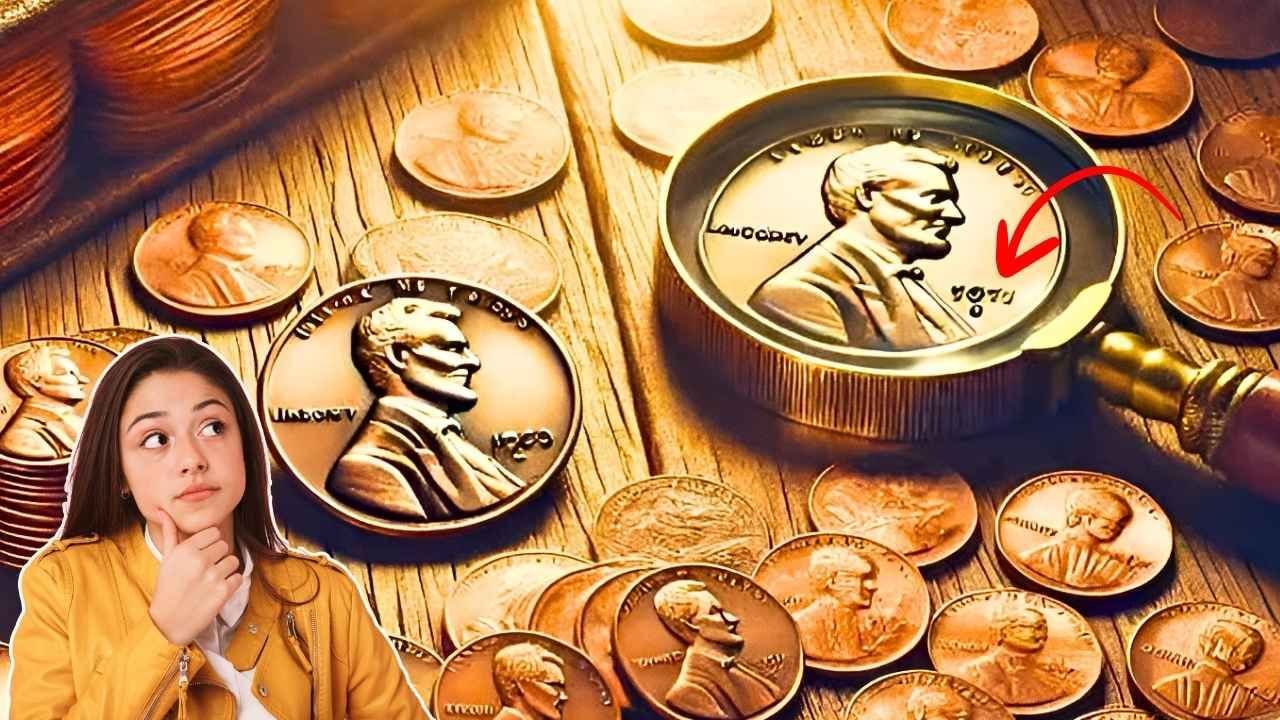
Wheat pennies, officially known as Lincoln Wheat Cents, remain one of the most iconic and widely collected coins in American numismatics. Minted from 1909 through 1958, these small copper coins combine historical importance, artistic design, and the excitement of hidden rarity. While many wheat pennies are common and worth only a few cents, the most valuable examples can sell for thousands or even hundreds of thousands of dollars.
For collectors in 2026, understanding which wheat pennies carry real value is essential for building a meaningful and potentially rewarding collection.
The Origin of Wheat Pennies

The Lincoln Wheat Cent was introduced in 1909 to commemorate the 100th anniversary of Abraham Lincoln’s birth. Designed by Victor David Brenner, it marked the first time a real historical figure appeared on a circulating U.S. coin. The reverse design, featuring two wheat stalks framing the words “One Cent,” symbolized prosperity and national growth.
Over nearly five decades of production, the series experienced changes in minting quality, metal composition, and die preparation. These variations led to some of the most famous rarities and error coins in U.S. history.
What Determines the Value of Wheat Pennies
Not all wheat pennies are valuable, but certain factors dramatically increase their worth. Rarity plays the most significant role, especially for coins with low mintages or unusual errors. Condition is equally important, as well-preserved coins command far higher prices than worn examples.
Historical importance also adds value. First-year issues, wartime errors, and coins tied to major minting changes attract strong collector demand. Finally, market interest and professional certification influence pricing, particularly for high-grade coins.
Key Wheat Pennies Every Collector Should Know
1909-S VDB
The 1909-S VDB is widely regarded as the cornerstone of wheat penny collecting. Struck at the San Francisco Mint, only 484,000 coins were produced before Brenner’s initials were removed from the reverse. High-grade examples regularly sell for thousands of dollars, making this coin one of the most sought-after in the entire series.
1914-D
The 1914-D wheat penny is another major rarity due to its low mintage and heavy circulation at the time of issue. Finding one in strong condition is difficult, and prices in 2026 continue to reflect that scarcity. Well-preserved examples often sell for several thousand dollars.
1922 No D
The 1922 No D wheat penny is a classic mint error. All cents in 1922 were struck at the Denver Mint, yet some were produced with dies so worn that the mintmark disappeared entirely. Authentic examples are rare and highly collectible, especially when clearly defined.
1931-S
With a mintage of fewer than one million, the 1931-S wheat penny is among the lowest-production regular issues in the series. While many were saved by collectors at the time, high-grade examples remain valuable and continue to rise in demand.
1943 Copper Penny
The 1943 Copper Penny is one of the most famous and valuable coins in U.S. history. During World War II, pennies were struck in steel to conserve copper, but a small number of copper planchets were accidentally used. Genuine examples have sold for hundreds of thousands of dollars, making this coin a legend among collectors.
1955 Double Die
The 1955 Double Die wheat penny is known for its dramatic doubling on the date and lettering. The error is so bold that it can be seen without magnification. Values range from hundreds to thousands of dollars, depending on condition, and demand remains exceptionally strong.
Other High-Value Wheat Pennies
Beyond the headline coins, many other wheat pennies rank among the top 100 most valuable. The 1909-S without the VDB initials, the 1924-D, the 1926-S, and the 1936 Double Die Obverse are all notable examples.
Even common-date wheat pennies can carry premium value if they survive in near-perfect condition. Certified mint-state coins with strong luster and minimal marks often sell for far more than collectors expect.
Building a Wheat Penny Collection
Collecting wheat pennies appeals to both beginners and advanced numismatists. Some collectors pursue complete date-and-mint sets, while others focus on key rarities and error coins. The series offers flexibility, allowing collectors to set goals based on budget and interest.
Valuable wheat pennies are often discovered in inherited collections, old coin jars, or estate sales. Patience, education, and careful examination are essential tools for success.
Market Trends in 2026
The wheat penny market remains strong in 2026, driven by nostalgia, historical interest, and consistent collector demand. Auction results show steady price growth for key dates and major errors. Online platforms have expanded access to rare coins, but they also highlight the importance of authentication and trusted sellers.
High-grade and certified wheat pennies continue to outperform average examples, reflecting a market that increasingly rewards quality and originality.
Preservation and Long-Term Care
Proper care is essential to maintaining the value of wheat pennies. Coins should be stored in archival-quality holders that protect against moisture and air exposure. Handling should be limited, and coins should always be held by the edges.
Cleaning wheat pennies is strongly discouraged, as it can permanently damage surfaces and drastically reduce value. Professional grading not only authenticates coins but also provides long-term protection and market credibility.
Why Wheat Pennies Endure
Wheat pennies are more than collectible coins. They are tangible connections to American history, spanning world wars, economic shifts, and generations of everyday use. Their enduring popularity lies in the blend of accessibility and rarity, where a single cent can sometimes be worth a small fortune.
Final Thoughts
The 100 most valuable wheat pennies represent the pinnacle of one of America’s most beloved coin series. From the iconic 1909-S VDB to the legendary 1943 Copper Penny, these coins tell stories of craftsmanship, error, and historical change.
Whether you are an experienced collector or just beginning your journey, exploring wheat pennies offers lasting value, educational depth, and the thrill of discovery. In 2026, their legacy remains as strong as ever, proving that even the smallest coins can hold extraordinary significance.