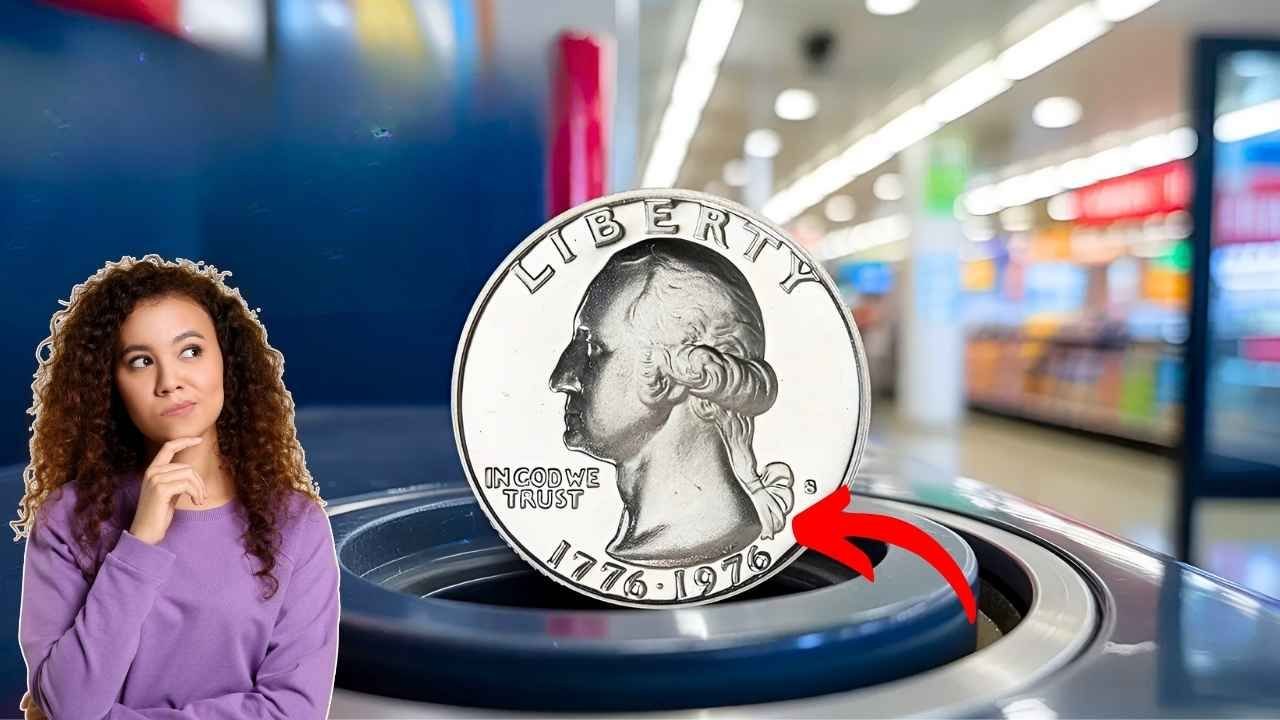
The Bicentennial Quarter is one of the most instantly recognizable coins ever issued by the United States Mint. Released to honor the 200th anniversary of American independence, this special quarter broke tradition with a unique reverse design and dual date. While millions were minted and many remain in circulation today, certain Bicentennial Quarters have become highly desirable and surprisingly valuable. In 2026, collector interest remains strong, driven by history, rarity, and standout varieties.
Understanding what makes one Bicentennial Quarter ordinary and another exceptional can mean the difference between a face-value coin and a four-figure collectible.
The History Behind the Bicentennial Quarter

To commemorate America’s bicentennial, the U.S. Mint introduced special designs for the quarter, half dollar, and dollar. The Bicentennial Quarter was struck during 1975 and 1976, all bearing the dual date “1776–1976.” Instead of the traditional eagle reverse, the coin features a colonial drummer holding a torch, encircled by thirteen stars representing the original colonies.
The obverse retained George Washington’s portrait, preserving continuity while marking the historic celebration. The design, created by Jack L. Ahr, was selected through a national competition and quickly became an enduring symbol of the bicentennial era.
What Makes Bicentennial Quarters Unique
Unlike standard Washington quarters that change only slightly over time, the Bicentennial Quarter stands apart due to its limited production window and distinctive reverse. It was the first circulating U.S. coin to feature a commemorative design tied to a national anniversary.
Bicentennial Quarters were produced in two main compositions: copper-nickel clad coins for general circulation and 40 percent silver coins intended primarily for collectors. Proof and special uncirculated versions were also issued, adding depth and variety to the series.
Bicentennial Quarter Value in 2026
For most people, a Bicentennial Quarter found in pocket change is worth its face value of 25 cents. However, condition and composition dramatically affect value.
Circulated copper-nickel examples typically sell for $0.25 to $1, depending on wear. Uncirculated examples with strong luster often sell for $3 to $10, particularly when well preserved.
Silver Bicentennial Quarters generally start around $8 to $15 based on silver content alone, with higher prices for coins in excellent condition. Certified mint-state or proof silver examples can range from $40 to several hundred dollars, depending on grade and eye appeal.
Rare and Valuable Bicentennial Quarter Varieties
Silver Bicentennial Quarters
The most consistently valuable Bicentennial Quarters are those struck in 40 percent silver. These were sold in special mint and proof sets and never intended for circulation. High-grade silver proofs with deep cameo contrast are especially desirable and can sell for several hundred dollars when certified.
Double Die Errors
Double die errors occur when the coin’s design is impressed more than once at slightly different angles, creating visible doubling on letters, numbers, or design elements. Bicentennial Quarters with clear doubled die obverse or reverse features are rare and highly sought after.
Depending on clarity and condition, values can range from a few hundred dollars to well over $1,000 for dramatic examples.
Off-Center and Strike Errors
Off-center strikes are another category of valuable errors. These coins show part of the design missing or shifted due to improper alignment during striking. Bicentennial Quarters with significant off-center errors, especially those retaining a visible date, can command strong premiums.
Other strike-related errors, such as broadstrikes and clipped planchets, are also collectible and vary widely in value based on visual impact.
Proof Bicentennial Quarters
Proof Bicentennial Quarters were struck using polished dies to produce mirror-like fields and sharp details. Both copper-nickel and silver proof versions exist, but silver proofs are far more valuable.
Proof coins with strong cameo contrast and minimal flaws are especially prized. Certified proof coins in top condition can sell for hundreds of dollars, particularly when demand is strong.
Factors That Determine Bicentennial Quarter Value
Several key factors influence how much a Bicentennial Quarter is worth in 2026.
Condition is the most important. Coins with minimal wear, strong luster, and clean surfaces command significantly higher prices. Rarity also matters, especially for silver issues and error varieties. Collector demand fluctuates, but historical commemoratives remain popular.
Professional certification plays a major role in value. Coins graded by respected services such as PCGS or NGC are trusted by buyers and typically sell for more than uncertified examples.
Market Trends and Collector Demand
Auction records over recent years show continued interest in rare Bicentennial Quarters. High-grade silver proofs and dramatic error coins have achieved prices far above expectations. As younger collectors enter the market and interest in historic U.S. coinage grows, demand for standout Bicentennial Quarters remains strong.
In 2026, the market favors quality over quantity. Ordinary examples remain common, but premium coins continue to appreciate steadily.
Smart Collecting Strategies
Collectors new to Bicentennial Quarters often begin with uncirculated copper-nickel examples to learn the series. More advanced collectors focus on silver issues, proof coins, and authenticated errors.
Careful research is essential. Studying grading standards, consulting price guides, and purchasing from reputable dealers reduce risk. Patience is key, as truly exceptional Bicentennial Quarters are not easily found.
Investment Potential and Risks
Rare Bicentennial Quarters offer solid long-term investment potential, particularly silver proofs and certified error coins. While they may not produce rapid gains, their historical importance and limited supply support gradual appreciation.
Collectors should remain cautious of altered or counterfeit coins, especially when dealing with error varieties. Proper authentication and certification protect both value and confidence.
The Enduring Legacy of the Bicentennial Quarter
The Bicentennial Quarter is more than a circulating coin. It represents a national celebration, a moment of reflection, and a shift toward modern commemorative coinage. Decades later, it continues to capture attention through its design, history, and collectible depth.
Rare examples showcase the importance of preservation, precision, and storytelling in numismatics.
Final Thoughts
In 2026, the Bicentennial Quarter remains a fascinating blend of history and opportunity. While most examples are common, silver issues, proof coins, and genuine error varieties can be worth hundreds or even thousands of dollars. Knowing what to look for and how to evaluate condition can unlock hidden value in an otherwise familiar coin.
Whether collected for passion, history, or investment, the Bicentennial Quarter proves that even everyday currency can hold extraordinary significance and surprising worth.