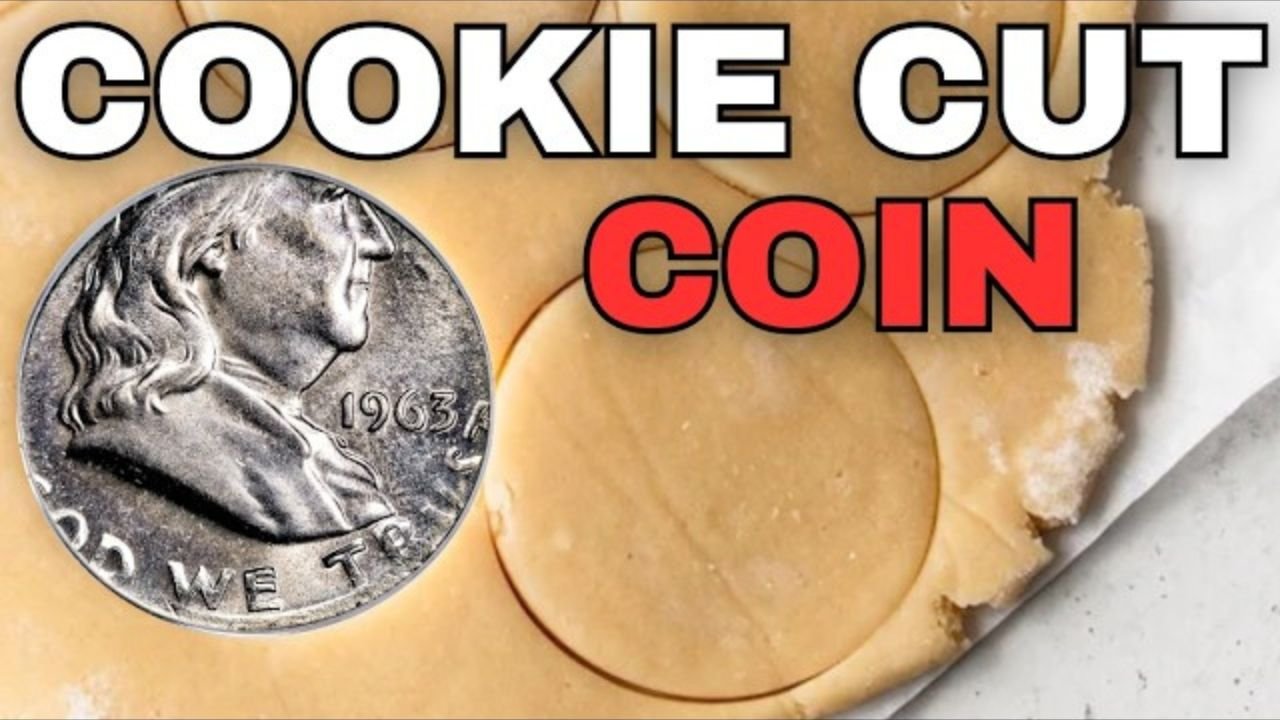
Coin collecting is a hobby where the smallest details can unlock surprisingly large value. A subtle flaw, created in seconds at a mint decades ago, can turn a common coin into a collector’s prize worth hundreds or even thousands of dollars. What makes this especially exciting is that some of the most valuable coin errors do not require a magnifying glass or specialized tools to identify. They are bold, obvious, and visible to the naked eye.
For beginners and experienced collectors alike, learning to recognize these errors is both practical and rewarding. It allows anyone to examine everyday pocket change with confidence while gaining a deeper appreciation for the minting process and the history behind each coin.
Why Coin Errors Hold Real Value

Coin errors occur when something goes wrong during production. The minting process is designed for precision, but mistakes can still happen when dies, planchets, or machinery malfunction. These errors are unintentional, which makes them rare by nature.
Collectors value error coins because they represent exceptions in a system built on uniformity. The rarer and more visually dramatic the error, the stronger the demand. When demand meets scarcity, values rise. Errors that are easy to see without magnification are particularly appealing because they are accessible to a wider audience of collectors.
Double Die Errors You Can See Instantly
What Makes Double Die Coins So Valuable
Double die errors occur when a die receives multiple impressions that are slightly misaligned. This creates noticeable doubling in letters, numbers, or design elements. Unlike machine doubling, true double dies are part of the die itself and appear consistently on every coin struck from it.
The most famous example is the 1955 Lincoln cent, where the date and lettering show bold, unmistakable doubling. Even without any tools, the error is obvious. Coins like this have become legendary, and well-preserved examples can command extremely high prices.
Off-Center Strikes That Stand Out
A Visual Error Anyone Can Recognize
An off-center strike happens when the blank coin is not properly aligned during striking. As a result, part of the design is missing, and a blank area of metal is visible along the edge.
The value of off-center coins increases as more of the design is displaced. Coins struck 40 to 60 percent off-center are especially desirable. These errors are dramatic, eye-catching, and impossible to miss, making them ideal targets for collectors searching without magnification.
Broadstrike Errors With Distinctive Shapes
When Coins Spread Beyond Their Normal Size
Broadstrike errors occur when the collar that normally shapes the coin fails to engage during striking. Without this collar, the coin expands outward, resulting in a wider, flatter appearance with distorted edges.
Because the entire coin looks different from a normal example, broadstrikes are easy to identify at a glance. Their unusual size and shape make them appealing collectibles, particularly when the design details remain clear.
Clipped Planchets With Missing Metal
Obvious Edge Errors Worth Collecting
Clipped planchets are created when the metal blanks are improperly cut before striking. This leaves a curved or straight section missing from the edge of the coin.
These clips are visible without any tools and vary in size. Larger, well-defined clips are generally more valuable, but even small clips can attract collector interest. They offer a clear example of how errors can occur before a coin is even struck.
Missing Letters and Numbers From Filled Dies
Simple Errors With Strong Appeal
Sometimes grease or debris fills parts of a die, preventing certain details from being transferred to the coin. This results in missing letters, numbers, or parts of the design, known as filled die errors.
These coins stand out because the inscriptions appear incomplete. A missing letter in a motto or a partially absent date is easy to notice and often sparks curiosity. Collectors appreciate these errors for their distinct look and straightforward explanation.
Multiple Strikes That Create Dramatic Designs
Coins Struck More Than Once
Multiple strike errors occur when a coin is struck more than once without being properly ejected from the press. This can create overlapping images, shifted designs, or partial impressions.
These errors are among the most visually striking and do not require magnification to identify. Because of their rarity and bold appearance, multiple strike coins often command strong premiums in the collector market.
What Determines the Value of Visible Errors
Not every error coin is valuable, even if it is easy to see. Value depends on several factors, including rarity, visual impact, demand, and condition. Errors that dramatically alter the coin’s appearance tend to be more valuable than subtle flaws.
Condition also plays a major role. Coins with minimal wear and strong detail are worth more than heavily circulated examples. Historical context matters as well, as iconic errors from earlier decades often carry greater prestige.
How to Spot Error Coins in Everyday Change
One of the most exciting aspects of error collecting is that valuable coins can still appear in circulation. Developing a habit of checking your change carefully can pay off over time.
Look closely at dates, lettering, and coin edges under good lighting. Compare coins of the same denomination to spot differences. Pay attention to unusual shapes, missing details, or obvious doubling. With experience, these checks become quick and intuitive.
Famous Error Coins That Inspire Collectors
Certain error coins have become benchmarks in the hobby. The 1955 double die cent, dramatic off-center strikes, and large clipped planchets are widely recognized examples. These coins show how minting mistakes can turn ordinary currency into highly sought-after collectibles.
Studying famous errors helps collectors train their eyes to recognize similar traits in newly discovered coins.
Tips for New Collectors Starting With Errors
Error coins are an excellent entry point for beginners. You can start by examining coins you already own, without investing in equipment. Focus on obvious features and learn through comparison.
As your interest grows, reference guides and collector communities can help deepen your knowledge. Over time, you may choose to invest in magnification tools or professional grading, but they are not required to get started.
Preserving Error Coins for Long-Term Value
Once you find an error coin, proper care is essential. Avoid cleaning the coin, as this can significantly reduce its value. Store it in a protective holder and keep it in a stable, dry environment.
Professional grading can authenticate the error and establish its condition, which often enhances market value and buyer confidence.
Final Thoughts
Some of the most valuable coin errors are hiding in plain sight. Their visibility makes them accessible to anyone willing to look closely at everyday change. From bold double dies to dramatic off-center strikes, these errors transform ordinary coins into remarkable collectibles.
Learning to spot them without magnification adds excitement to the hobby and opens the door to unexpected discoveries. With patience, attention, and curiosity, collectors can uncover pieces of history that were never meant to exist—and that is what makes error coins truly special.