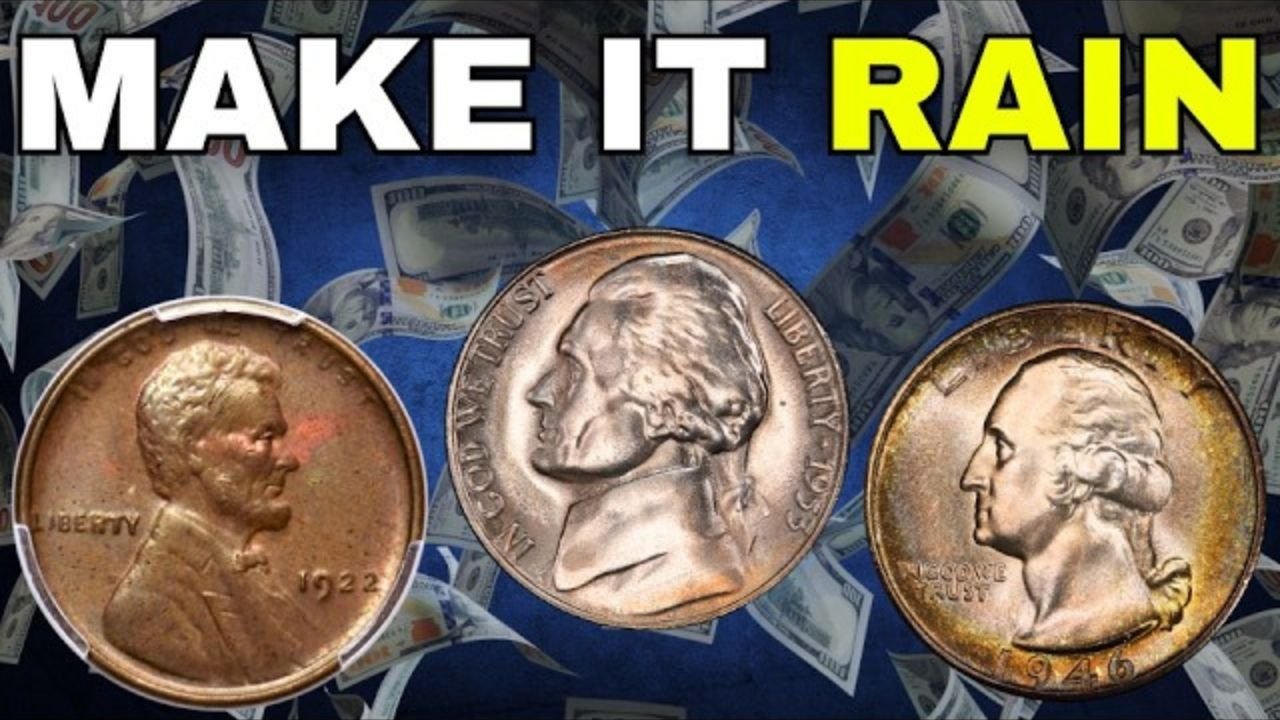
Most people handle coins without a second thought. They collect in pockets, pile up in jars, or disappear into couch cushions, rarely given more than a passing glance. Yet some of the most remarkable discoveries in numismatics have come from everyday circulation. Coins that appear ordinary can sometimes hold extraordinary value, turning spare change into assets worth hundreds or even thousands of dollars.
What makes coin collecting so compelling is this element of surprise. Coins are designed to be uniform and practical, but occasionally history, human error, or limited production transforms them into rare collectibles. For anyone willing to look closely, pocket change can become a gateway into a fascinating and potentially lucrative world.
Why Ordinary Coins Can Become Valuable

The value of a coin is shaped by more than its metal content or face value. Several key factors determine whether a coin remains ordinary or becomes exceptional.
Rarity and Limited Production
Coins minted in small numbers or produced during short periods tend to attract strong collector interest. When supply is limited and demand grows, prices rise quickly. Even modern coins can become valuable if only a small batch contains a unique feature.
Minting Errors and Variations
Errors are one of the biggest drivers of value in coin collecting. Double strikes, off-center designs, missing elements, or incorrect metal compositions create anomalies that collectors actively seek. These mistakes represent moments when the minting process deviated from perfection.
Condition and Preservation
Condition plays a critical role. Coins that survive with minimal wear, sharp details, and clean surfaces are far more desirable. A rare coin in poor condition may be worth far less than the same coin preserved in near-mint state.
Collector Demand
Ultimately, value is shaped by what collectors are willing to pay. When a coin gains recognition within the numismatic community, demand can surge, pushing prices upward at auctions and private sales.
Coin One: The 1943 Copper Penny
One of the most famous examples of an ordinary coin becoming extraordinary is the 1943 copper penny. During World War II, copper was redirected for military use, and the U.S. Mint produced pennies using steel coated with zinc. However, a small number of copper blanks from 1942 remained in the presses.
Why It Matters
Those leftover blanks were accidentally struck in 1943, creating copper pennies in a year when they were never supposed to exist. Only a few dozen authentic examples are known today.
Potential Value
A genuine 1943 copper penny can sell for tens of thousands of dollars, depending on condition. Even heavily circulated examples command extraordinary prices, making this one of the most legendary coins in American numismatics.
Coin Two: The 1955 Double Die Penny
The 1955 double die penny is another classic example of how a minting error can create lasting value. During production, the coin’s design was impressed twice at slightly different angles, resulting in visible doubling on the date and lettering.
What Makes It Special
Unlike subtle errors that require magnification, the doubling on this coin is bold and easy to spot. The words and numbers appear almost shadowed, making the error immediately recognizable.
Market Impact
Thousands of these coins entered circulation before the error was discovered. Today, even worn examples can sell for thousands of dollars, while high-grade specimens command even higher premiums.
Coin Three: The 2004 Wisconsin Extra Leaf Quarter
Not all valuable coins are old. The 2004 Wisconsin state quarter proves that modern circulation coins can also become collectibles.
The Extra Leaf Error
Some quarters minted in Denver featured an extra leaf on the corn stalk shown on the reverse design. Two distinct varieties exist: the “extra high leaf” and the “extra low leaf.”
Collector Demand
These errors were never intended and were quickly corrected, making surviving examples relatively scarce. Depending on condition and variety, these quarters can sell for hundreds or even thousands of dollars.
How to Spot Valuable Coins in Your Change
Finding a valuable coin doesn’t require specialized equipment, but it does require attention to detail and patience.
Check Dates and Mint Marks
Certain years and mints are more prone to errors or limited runs. Familiarizing yourself with key dates can dramatically improve your chances.
Look for Unusual Details
Doubling, missing elements, off-center designs, or extra features are all signs of potential value. Even small irregularities can be significant.
Examine Condition Carefully
Coins with minimal wear are generally worth more. Avoid cleaning coins, as improper cleaning can reduce value significantly.
Use Basic Tools
A simple magnifying glass and good lighting can reveal details that are invisible to the naked eye. Comparing coins to trusted reference images is also helpful.
The Role of Collectors and Auctions
The numismatic community plays a major role in establishing value. When collectors identify and document rare varieties, awareness spreads quickly. Auctions then become the stage where true market value is determined.
Competitive bidding often drives prices far beyond expectations, especially when a coin is scarce and well-preserved. Auction records also serve as benchmarks, helping collectors assess what similar coins might be worth.
The Emotional Side of Coin Discoveries
Beyond financial value, discovering a rare coin carries emotional weight. It creates a tangible connection to history and craftsmanship. A small piece of metal becomes a storyteller, linking the present to moments decades or even centuries ago.
For many people, the excitement of discovery is just as rewarding as the potential profit. The realization that something overlooked for years is actually special creates a lasting sense of wonder.
Ordinary Coins as a Gateway to Collecting
Many collectors begin their journey with a simple discovery. A valuable penny or quarter found in circulation often sparks curiosity that grows into a deeper interest in numismatics.
Over time, collectors learn about history, economics, and art through coins. What starts as checking pocket change can evolve into building collections, attending shows, and engaging with a global community of enthusiasts.
Conclusion: Why Checking Your Change Matters
The stories of the 1943 copper penny, the 1955 double die penny, and the 2004 Wisconsin extra leaf quarter prove that extraordinary value can hide in the most ordinary places. These coins remind us that history and rarity often slip quietly into everyday life.
Taking a moment to check your pocket change costs nothing, yet it could lead to a discovery worth thousands. Even if you never find a rare coin, the process opens the door to a hobby rich in knowledge and history. The next time coins pass through your hands, look closely. You might be holding more than spare change.