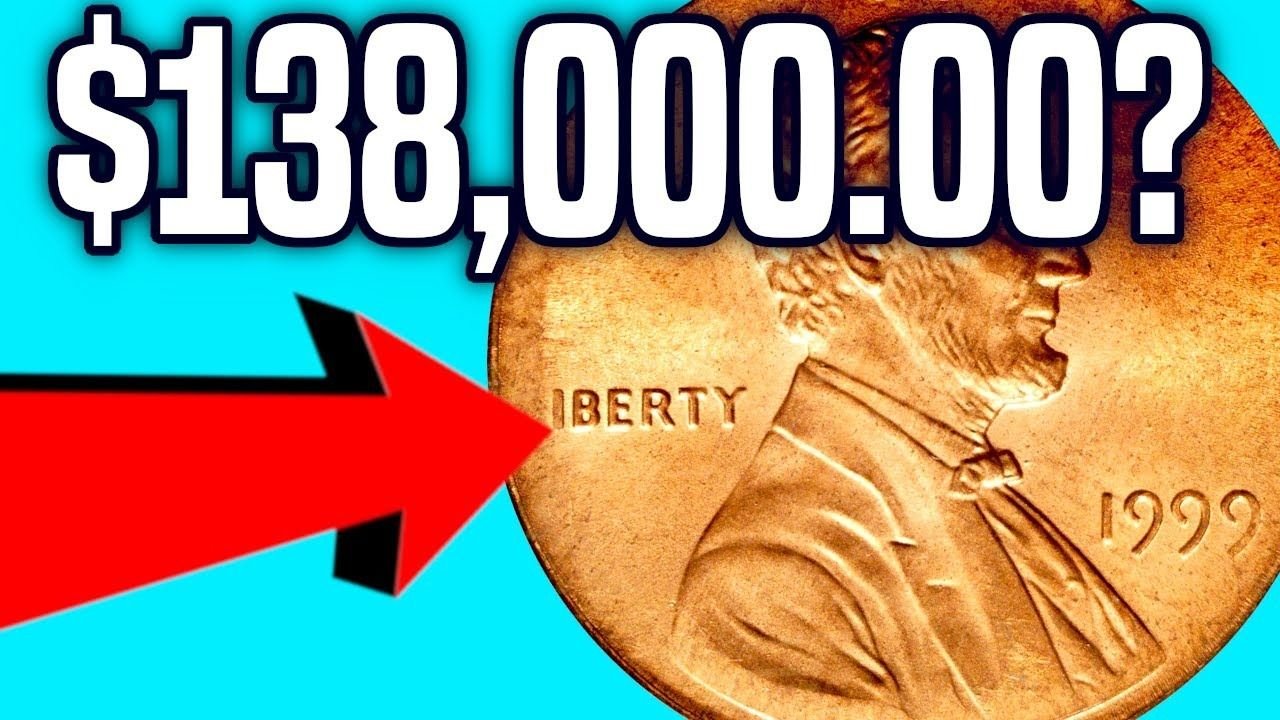
The penny is often dismissed as spare change with little value, yet seasoned collectors know that some one-cent coins can be surprisingly valuable. The 1999 Lincoln penny is a perfect example. While most are still worth only face value, specific varieties, mint errors, and high-grade examples can be worth far more. Knowing what to look for can help you spot a collectible hiding in plain sight and turn an ordinary penny into a meaningful find.
Background of the 1999 Lincoln Penny
The 1999 penny is part of the long-running Lincoln Memorial series, produced from 1959 to 2008. The obverse features Victor David Brenner’s timeless portrait of Abraham Lincoln, while the reverse shows the Lincoln Memorial designed by Frank Gasparro. By 1999, pennies were primarily struck in copper-plated zinc, a composition introduced in the early 1980s to lower production costs.
This zinc core makes condition especially important. Once the thin copper plating is damaged, corrosion can set in quickly, dramatically reducing a coin’s desirability. For collectors, intact surfaces and original luster are key.
Mint Marks and Why They Matter
One of the first things to check on any 1999 penny is the mint mark, located below the date on the obverse.
Philadelphia Mint (No Mint Mark)
Philadelphia struck the majority of 1999 pennies, producing billions of coins. These are the most common in circulation, but high-grade uncirculated examples can still command modest premiums.
Denver Mint (D)
Denver-minted pennies are also plentiful. While most circulated examples are worth one cent, sharply struck, well-preserved coins in higher mint-state grades can be desirable to collectors building complete sets.
San Francisco Mint (S)
San Francisco produced proof pennies intended for collectors, not circulation. These coins have mirror-like fields and sharp details. Proof 1999 pennies can be valuable, especially if they remain in excellent condition or have been professionally graded.
Condition and Coin Grading
Condition is one of the most important factors affecting value. Coin grading ranges from Poor (P-1) to Mint State (MS-70) for business strikes and Proof (PR) grades for proof coins.
- Circulated 1999 pennies are typically worth face value.
- Uncirculated coins graded MS-65 or higher may sell for several dollars.
- Proof coins graded PR-69 or PR-70 can bring $20 or more, depending on market demand.
Eye appeal also matters. Coins with strong luster, clean surfaces, and attractive toning often sell for more than similarly graded pieces with dull or spotted surfaces.
Key Varieties and Errors to Watch For
What truly elevates the 1999 penny in the eyes of collectors are its varieties and mint errors. These are the coins that can turn pocket change into a standout find.
Wide AM Variety
The most famous 1999 penny variety is the Wide AM. On these coins, the letters “A” and “M” in “AMERICA” on the reverse are noticeably spaced apart. This variety is scarce and highly sought after. In high grades, a genuine Wide AM penny can be worth several hundred dollars.
Close AM Proof Variety
Some 1999 proof pennies from San Francisco show a Close AM, where the A and M are nearly touching. This spacing is unusual for proof coins and makes these pieces especially collectible.
Off-Center Strikes
Off-center errors occur when the coin blank is misaligned during striking. Depending on how much of the design is missing and whether the date is visible, these coins can be worth anywhere from modest sums to significant premiums.
Doubled Dies
Doubled die pennies show noticeable doubling in the date or lettering, caused by a misaligned die during production. These are rare and often overlooked, making careful inspection essential.
How to Identify a Valuable 1999 Penny
Spotting a valuable penny takes patience and attention to detail. Start by examining your coin under good lighting.
- Check the reverse for Wide AM or Close AM spacing.
- Note the mint mark to determine where the coin was produced.
- Inspect the surfaces for wear, scratches, or corrosion.
- Use a magnifying glass to look for doubling in the date or lettering.
- Compare your coin with reference images from reputable numismatic guides.
If something looks unusual, it may be worth further research or professional evaluation.
Market Value and Collector Demand
The value of a 1999 penny depends on rarity, condition, and current collector interest. While most examples will always be worth just one cent, certain varieties consistently attract strong demand. The Wide AM variety, in particular, has maintained its appeal due to its scarcity and visibility.
Proof coins also remain popular, especially among collectors completing Lincoln Memorial sets. As with any collectible, market trends can change, but quality and rarity tend to hold long-term value.
Preserving Your Pennies Properly
If you believe you have a valuable 1999 penny, preservation is critical.
- Store coins in a cool, dry environment to prevent corrosion.
- Use coin holders or archival-quality albums designed for long-term storage.
- Avoid cleaning coins, as cleaning can permanently damage surfaces and reduce value.
- Handle coins only by the edges to prevent oils and fingerprints from affecting the metal.
Proper care ensures your coins retain both their condition and their appeal.
Why Collectors Still Love the 1999 Penny
Beyond potential value, the 1999 penny holds an important place in modern U.S. coinage. It represents the later years of the Lincoln Memorial series and remains widely available for new collectors. Many enthusiasts enjoy assembling complete date and mint-mark sets, and the possibility of discovering a rare variety adds excitement to the hobby.
Final Thoughts
The 1999 Lincoln penny may appear ordinary, but it offers surprising opportunities for collectors willing to look closely. From scarce varieties like the Wide AM to pristine proof coins, certain examples can be worth far more than face value. By understanding what to check in your change, you can join the quiet hunt for hidden treasures and gain a deeper appreciation for the stories small coins can tell. Sometimes, the most overlooked pieces are the ones worth a second look.